Make this make sense for you
Myth: acne means skin is dirty
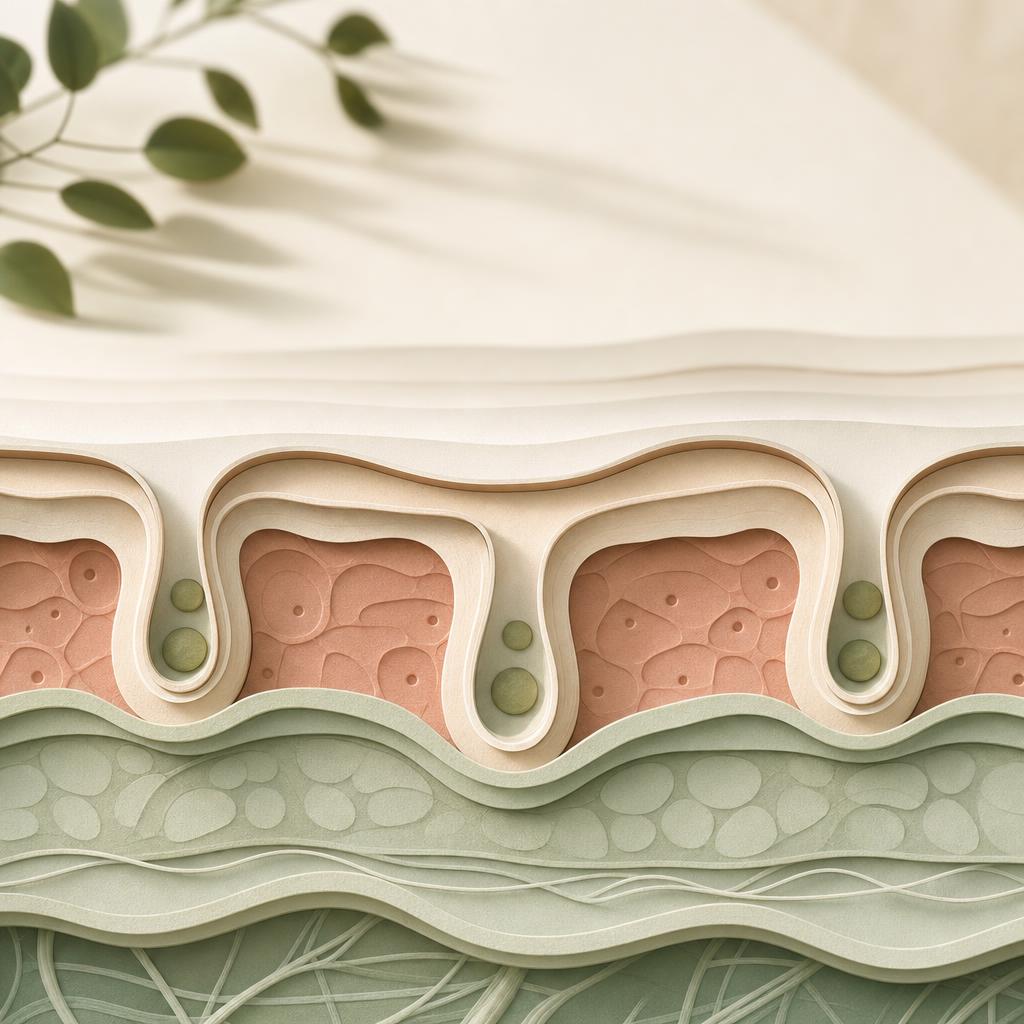
Acne develops within the hair follicle through interacting factors including oil, altered shedding of skin cells, inflammation and Cutibacterium acnes. Dirt on the surface is not the underlying cause, and blackheads look dark because material in an open pore reacts with air—not because the pore is full of dirt.
Washing more often or scrubbing firmly can irritate skin without clearing the follicle. Gentle cleansing twice daily and after heavy sweating is enough for many people. Acne is not a reflection of personal cleanliness.
Myth: one food explains every breakout
Research has examined associations between acne and dietary patterns, including high-glycaemic diets and dairy, but findings do not justify a universal banned-food list. A food that seems relevant to one person may have no noticeable effect for another.
Before restricting a food group, track timing and discuss significant changes with an appropriate healthcare professional, especially if nutrition, growth, pregnancy or an eating disorder is a concern. Diet should not replace established acne care.
Myth: sun, toothpaste or squeezing will dry spots out
A tan can temporarily make redness less visible, but ultraviolet exposure damages skin and can deepen post-acne marks. Toothpaste is formulated for teeth and may irritate facial skin. Neither is a recommended acne treatment.
Squeezing can drive inflammation deeper and increases the likelihood of discoloration and scarring. A hydrocolloid patch may act as a hands-off reminder, but it does not treat the processes that create future acne. Choose products made for skin and supported for the acne type you have.
- Use broad-spectrum sunscreen rather than intentional tanning.
- Keep toothpaste on teeth and use a suitable acne product on skin.
- Avoid picking; seek help for deep lesions rather than trying to drain them.
Myth: acne must be endured—or cured instantly
Acne may settle with age for some people, but it can persist well into adulthood. Effective options exist, although they generally control acne gradually rather than delivering a permanent overnight cure.
Early treatment can matter when lesions are painful or leaving scars. Marketing phrases such as detox, pore eraser and hormone balancing are not substitutes for evidence or an individual medical assessment. A modest routine followed consistently is a more realistic starting point.
Key takeaways
- • Acne is not caused by dirty skin, and aggressive washing can make irritation worse.
- • Universal food bans and household spot remedies are not evidence-based acne plans.
- • Acne can be treated; quick cures and guaranteed results deserve skepticism.
Consider professional advice if
- • Online acne advice is leading you to restrict food, use unsafe remedies or feel unable to cope
- • Spots are deep, painful or leaving persistent marks or scars
- • A sensible over-the-counter routine has not helped after a consistent trial